Kham & Amdo, Eastern Tibet, pilgrimages
“Without ‘leaving’ there is no pilgrimage, but also, without ‘returning’ there is no pilgrimage”.
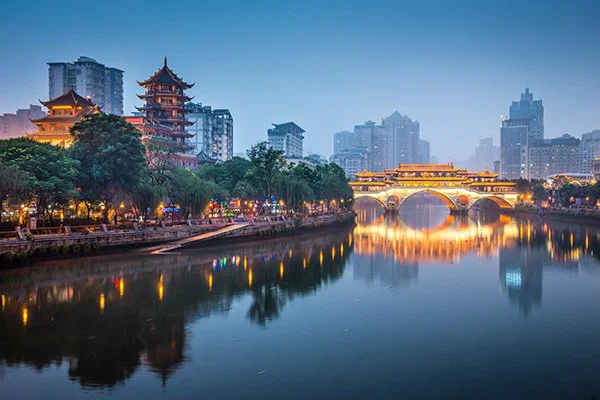
Chengdu Sichuan
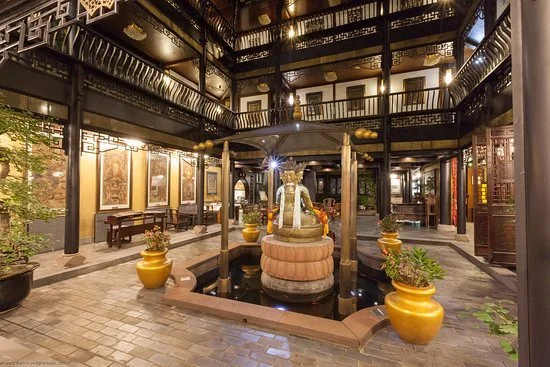
Buddha Zen Hotel Chengdu
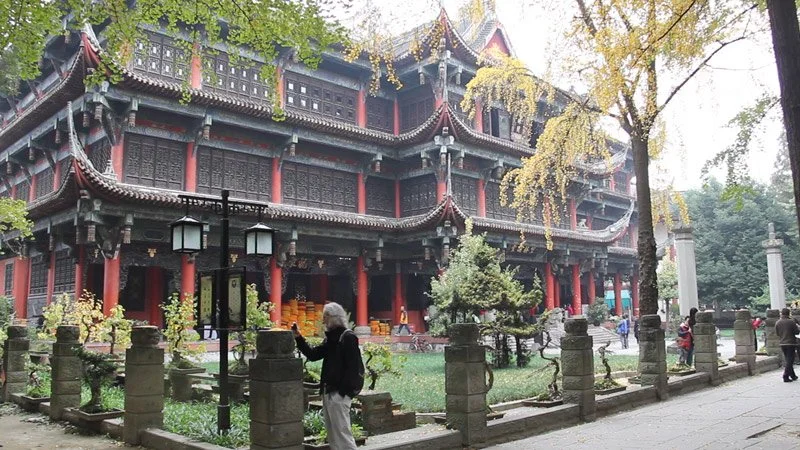
Wenshu Monastery Chengdu
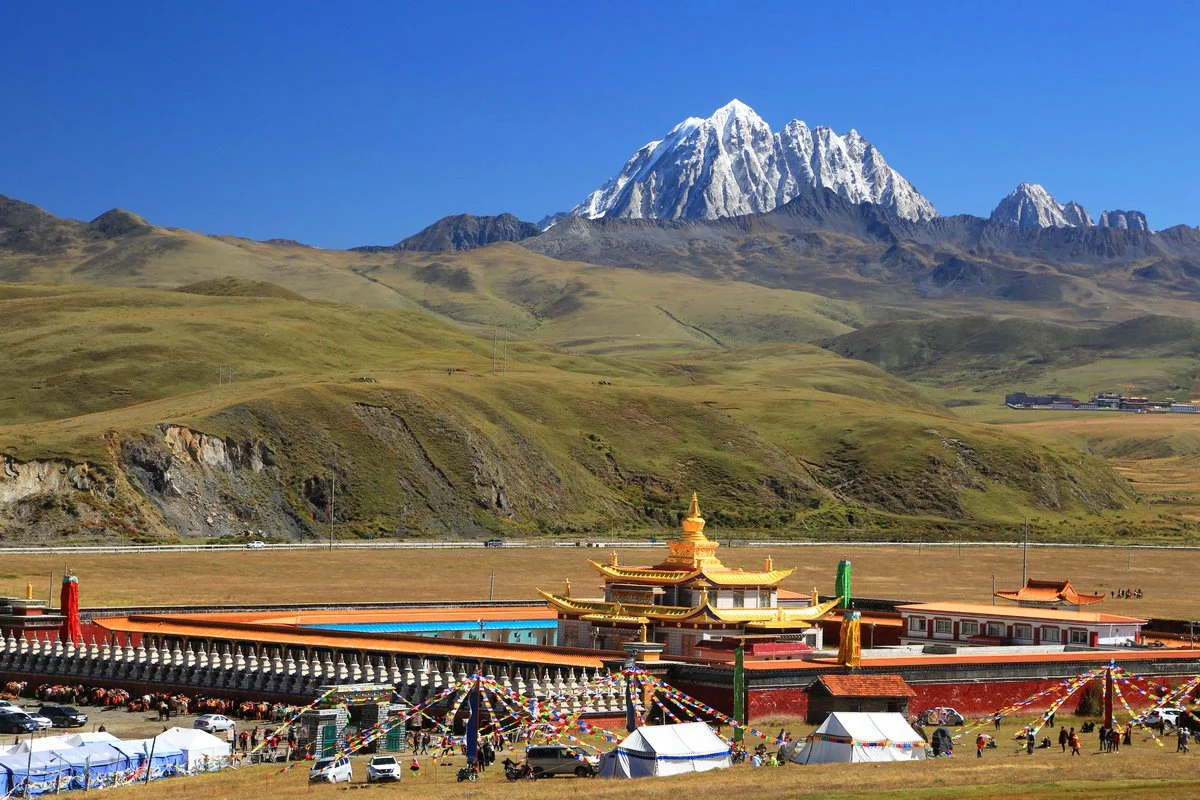
Tagong Golden Pagoda and Mt Yala
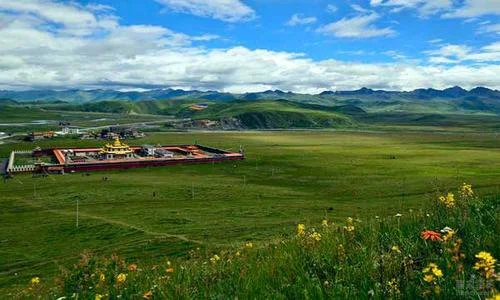
Tagong Grassland
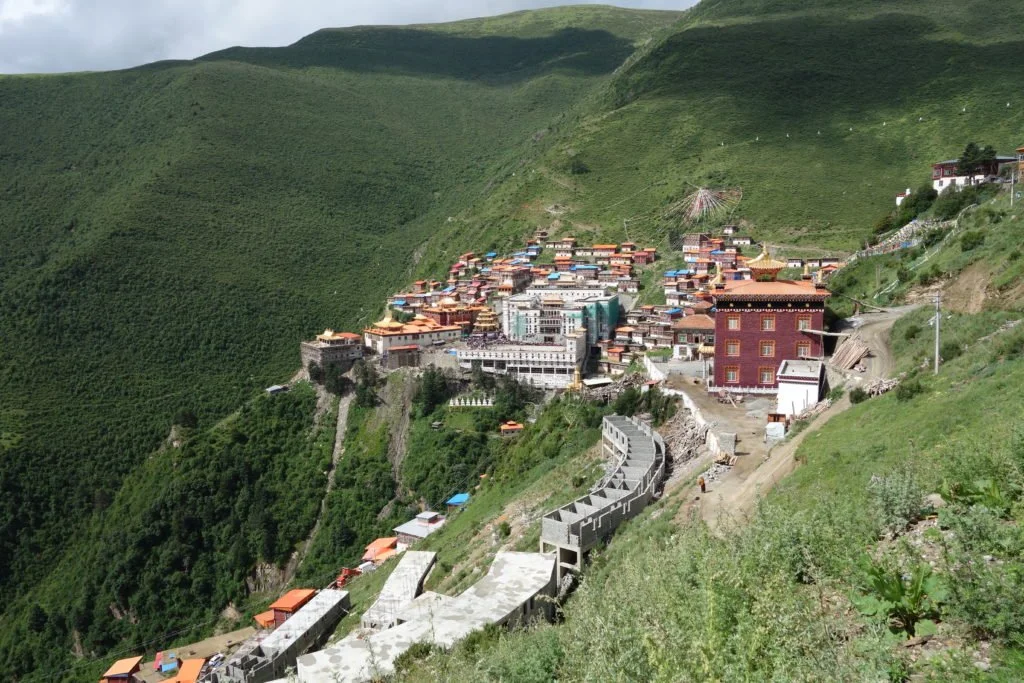
Katok Kham
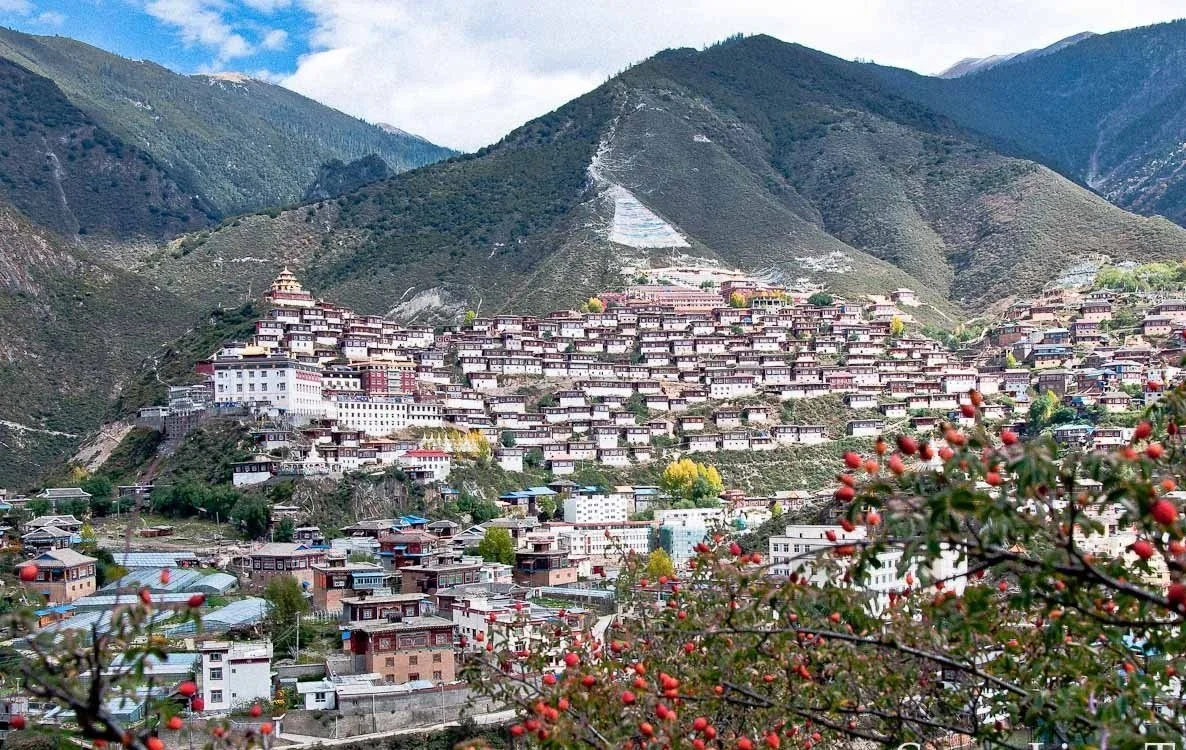
Palyul, Kham
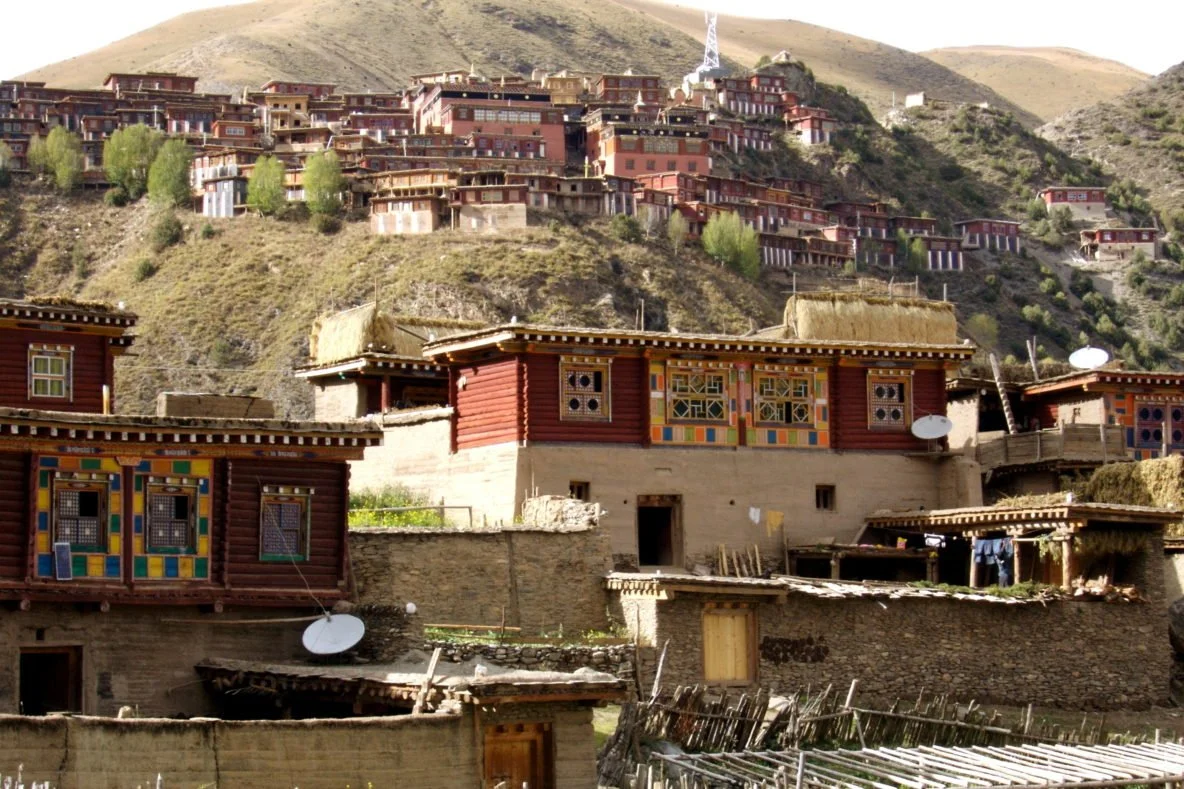
Dzongsar, Kham
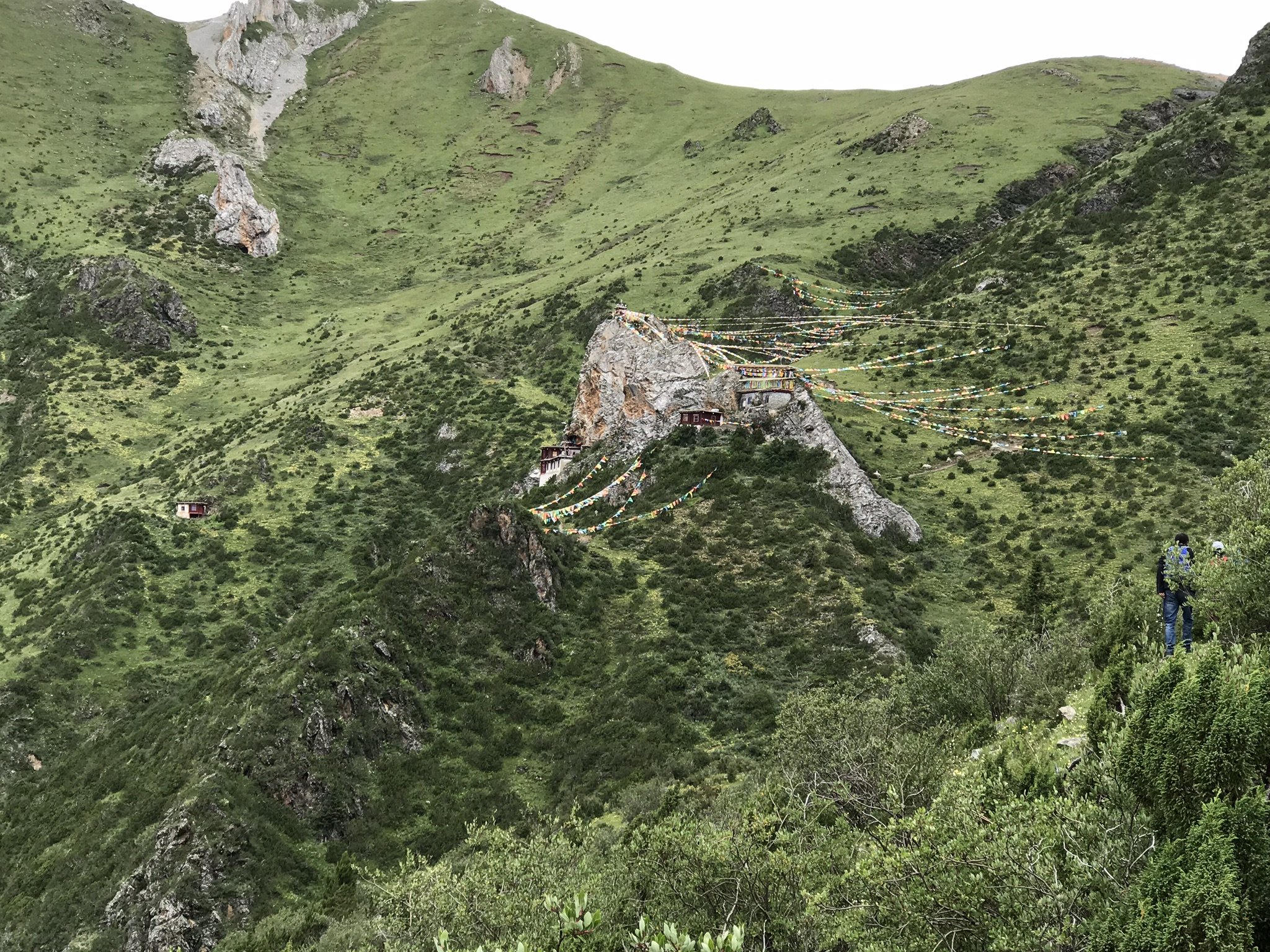
Pema Shelpuk Lotus Crystal Cave, Dzongsar Kham
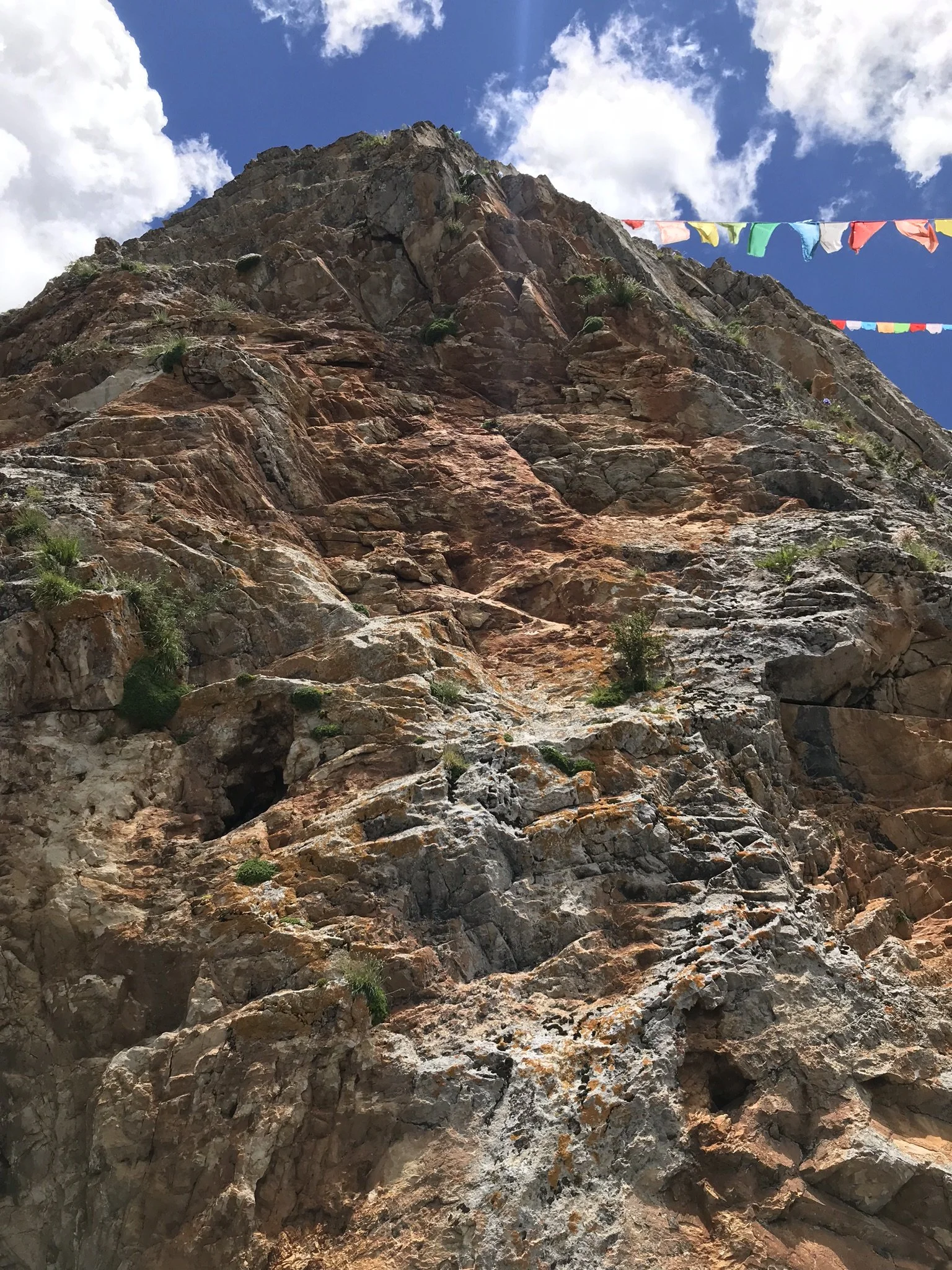
Pema Shelpuk
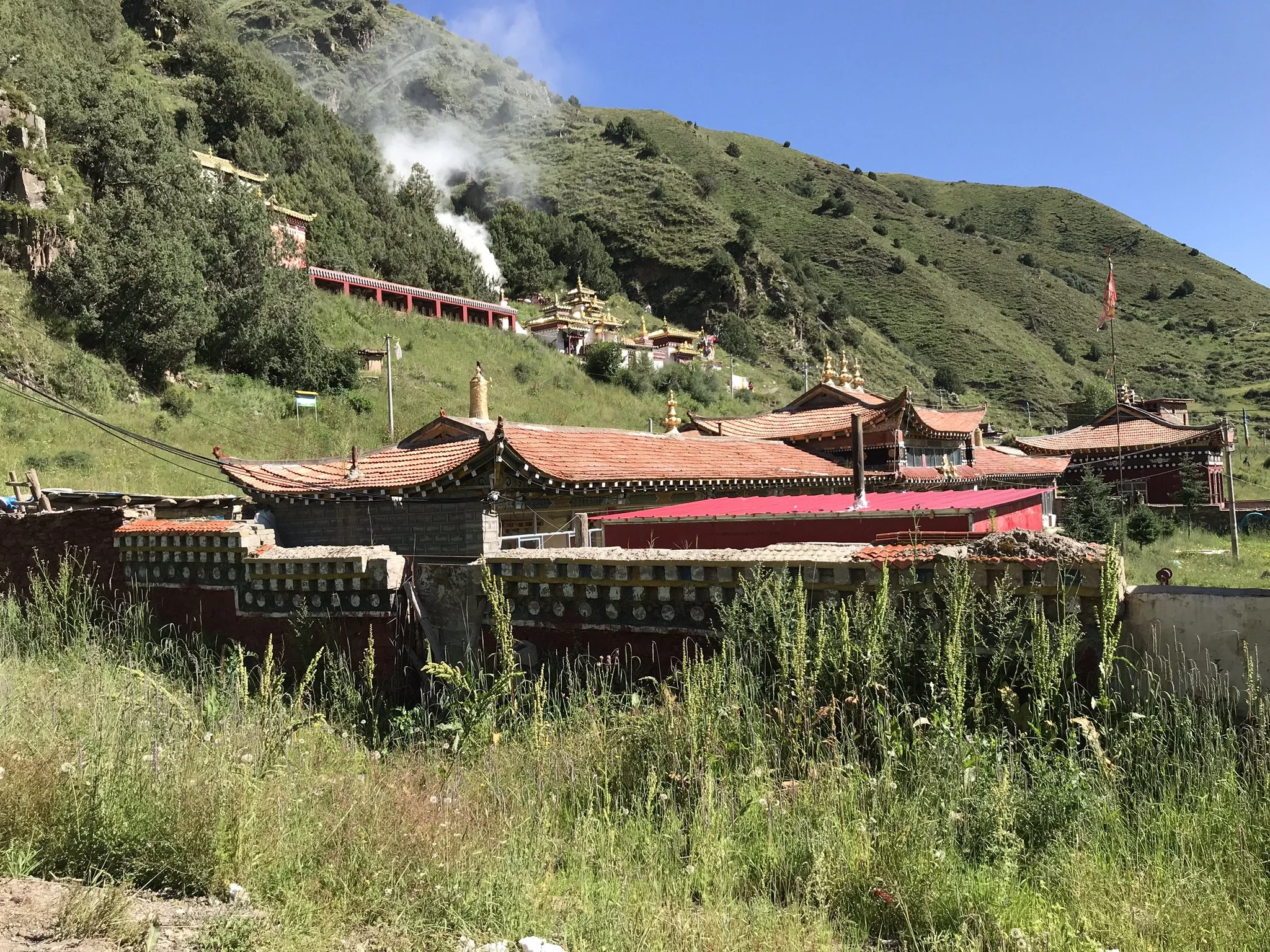
Rongmo Karmo Taktsang, Dzongsar Kham
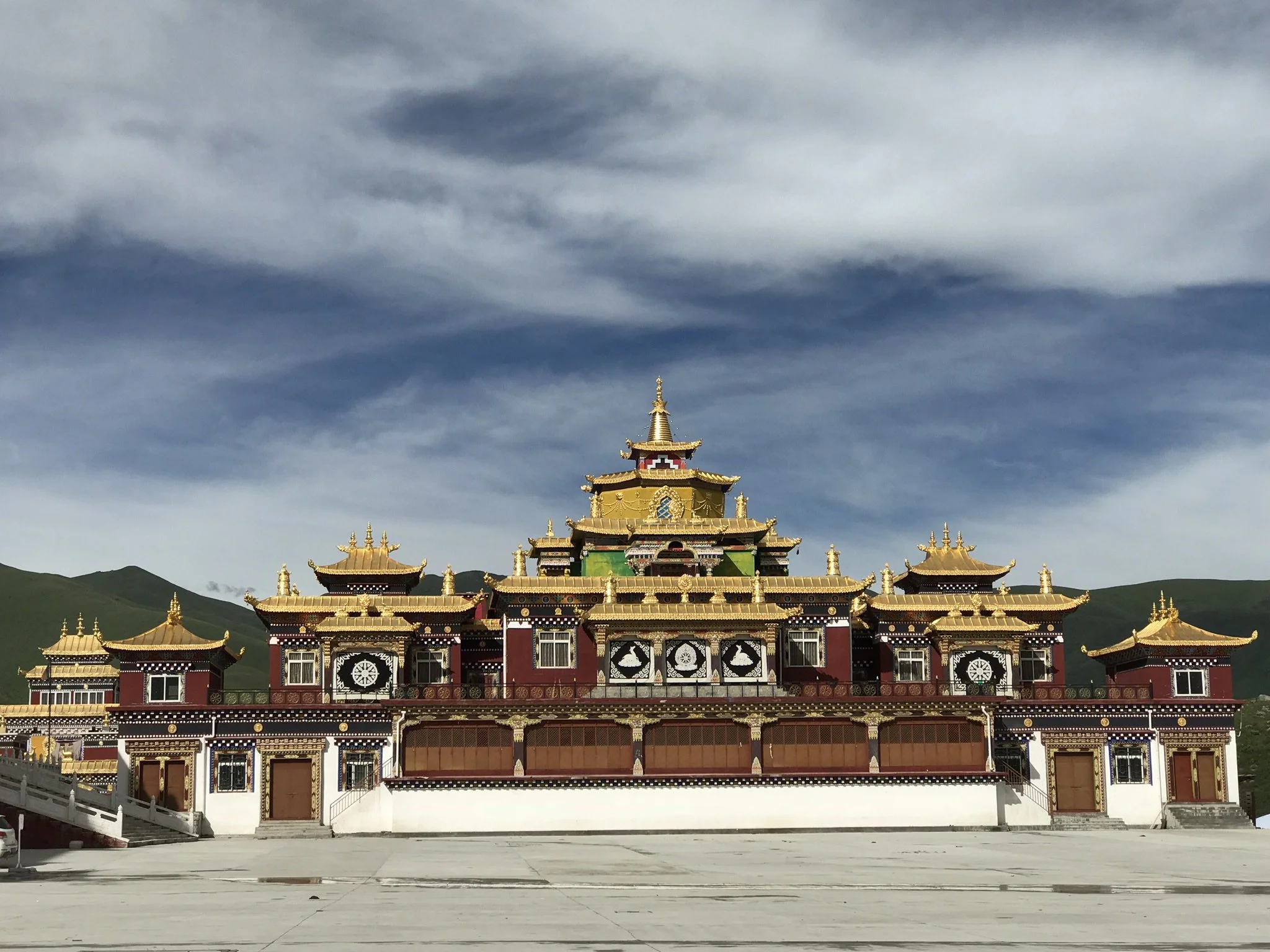
Dzogchen, Kham
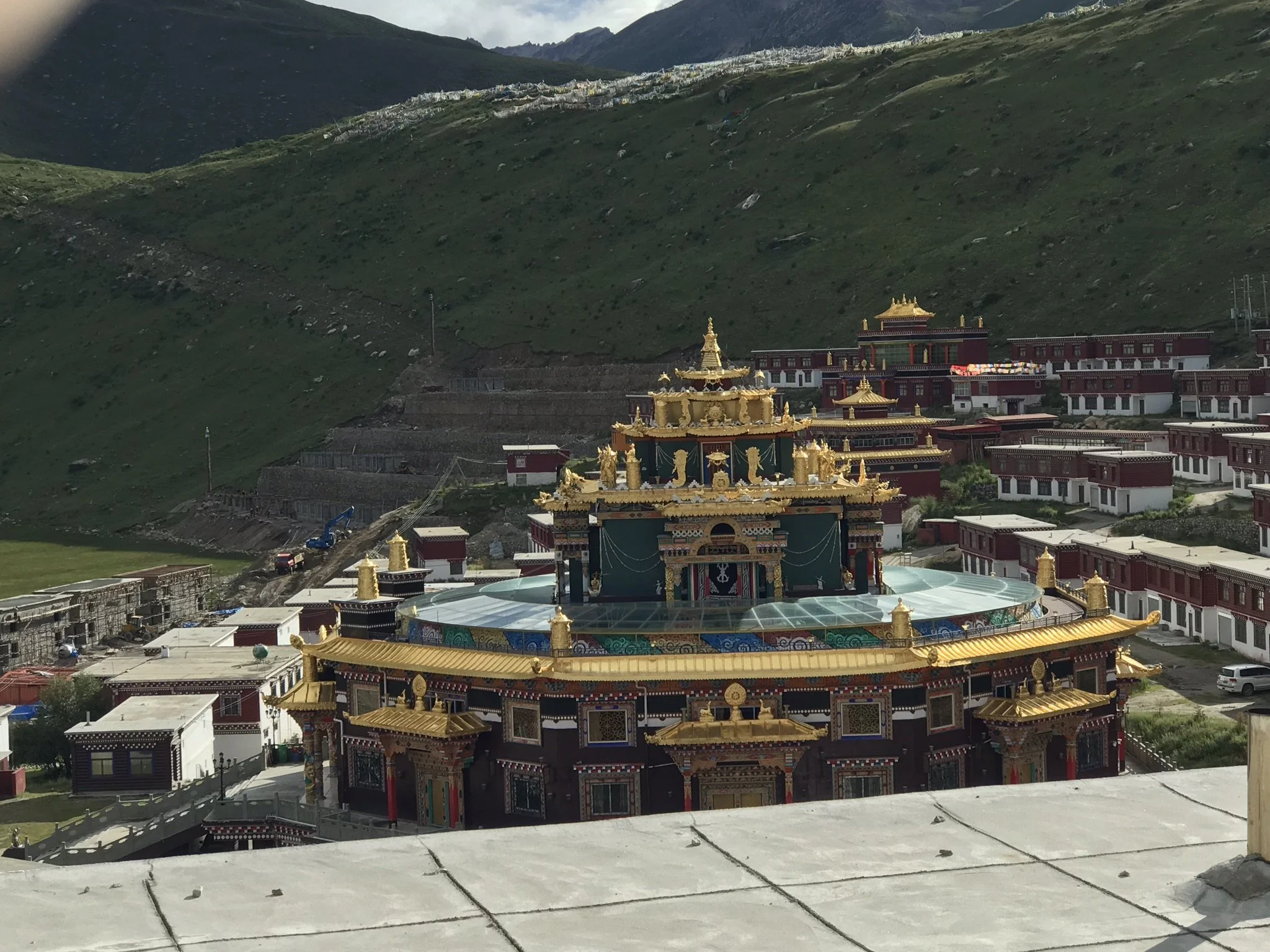
Dzogchen, Kham
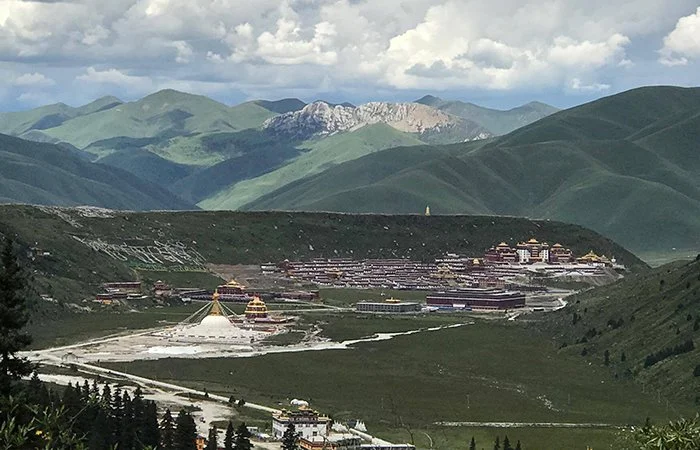
Dzogchen, Kham
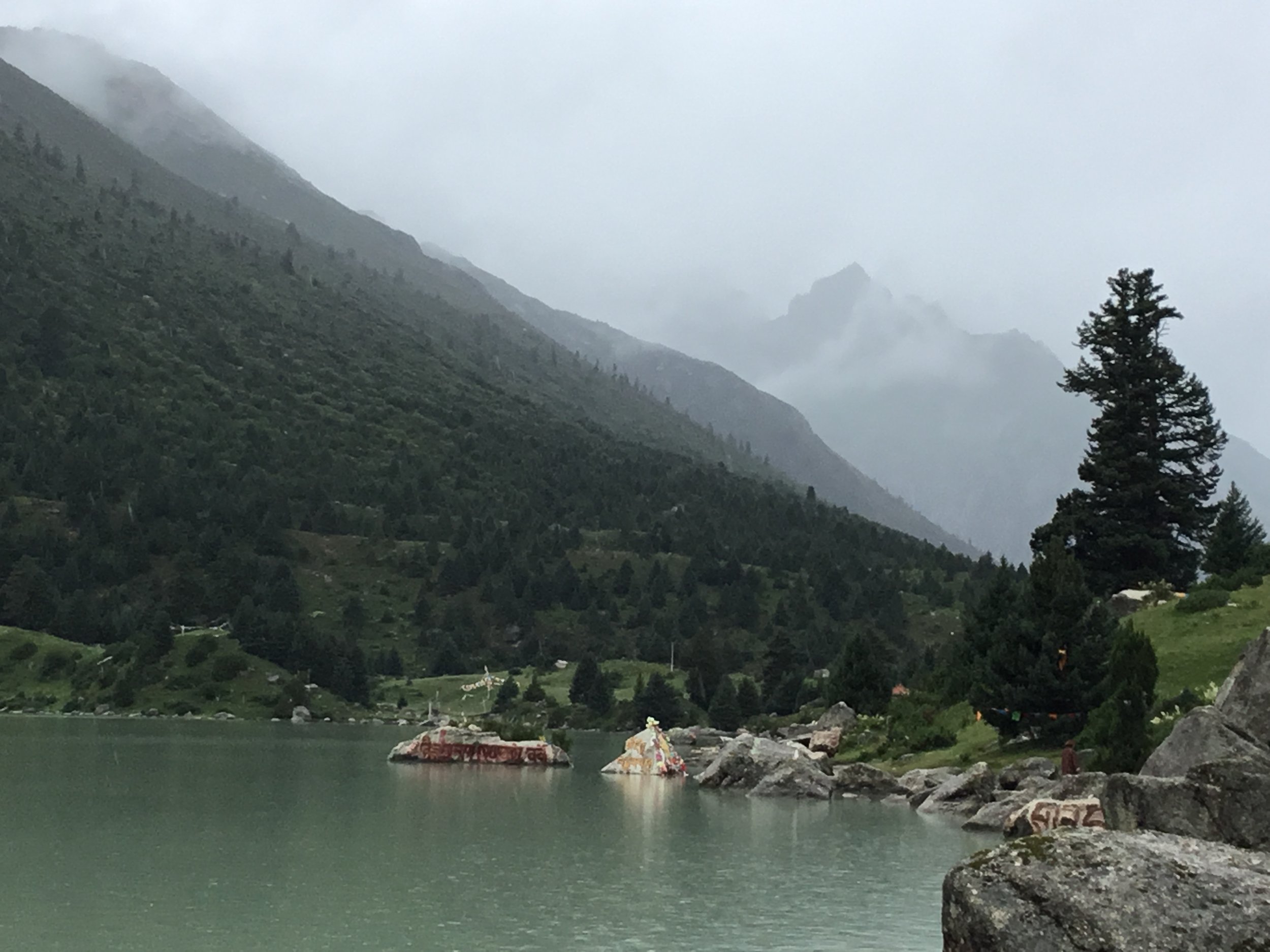
Yilhung Latso, Kham
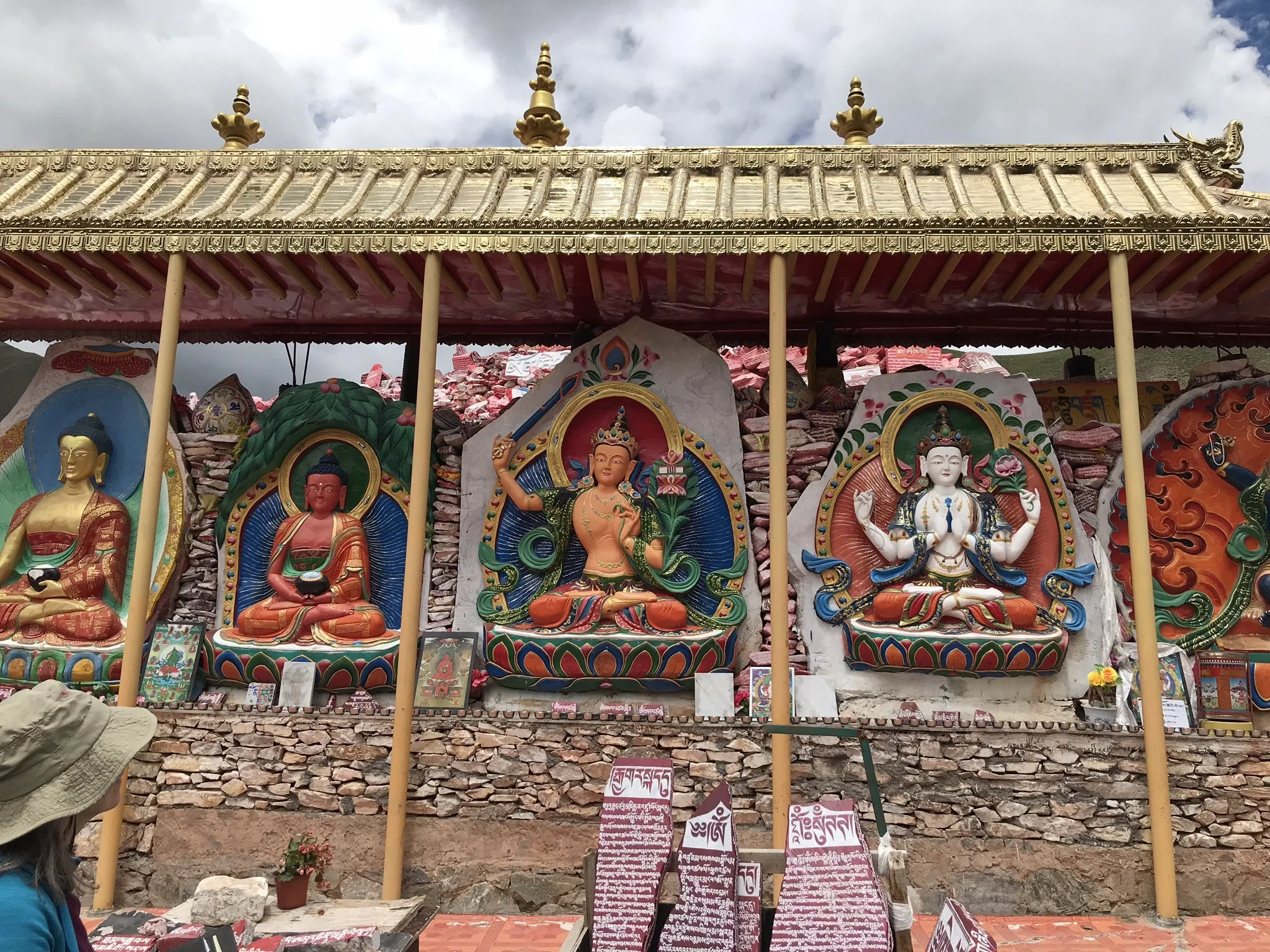
Yushu, Kham
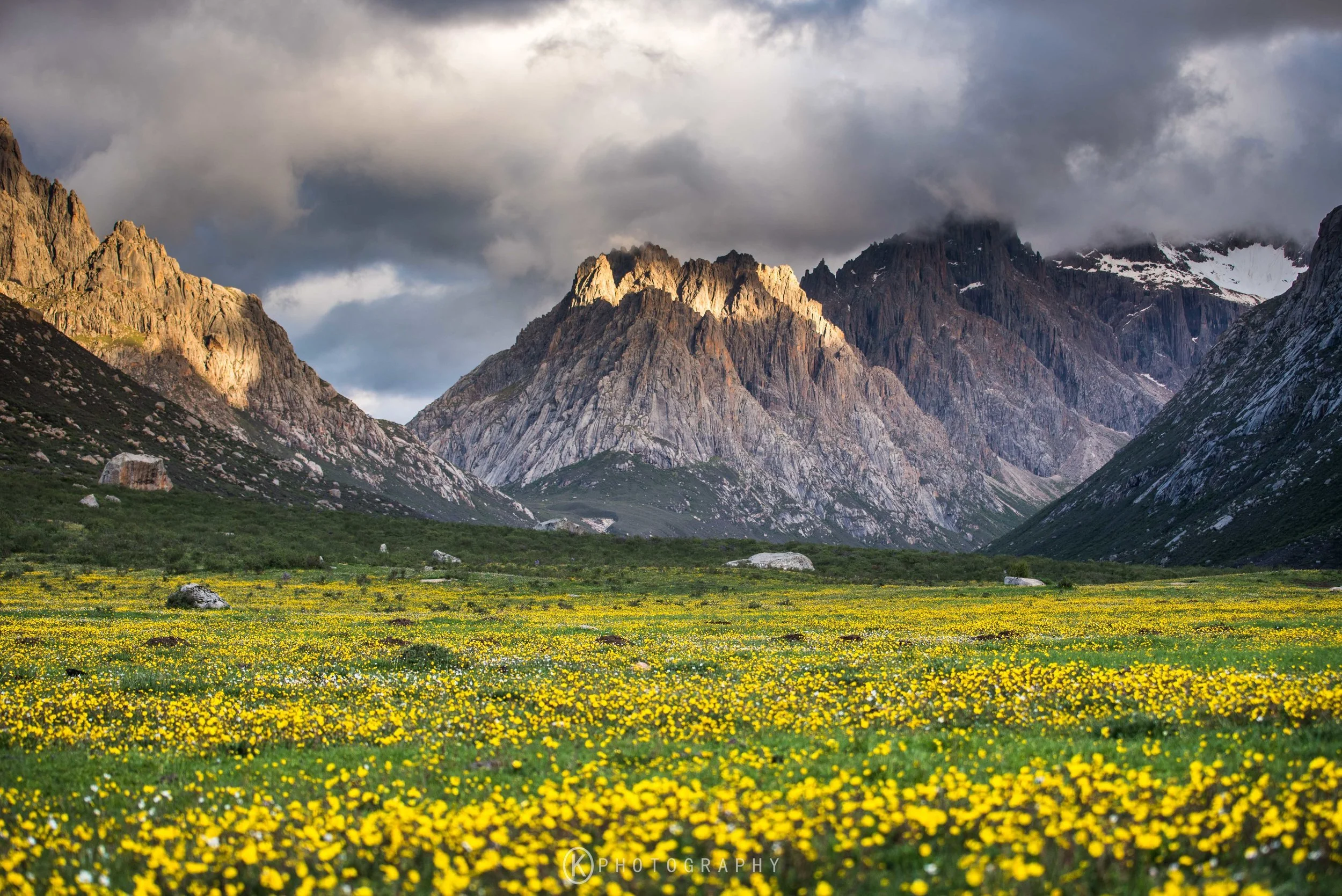
Nyenpo Yutse, Amdo
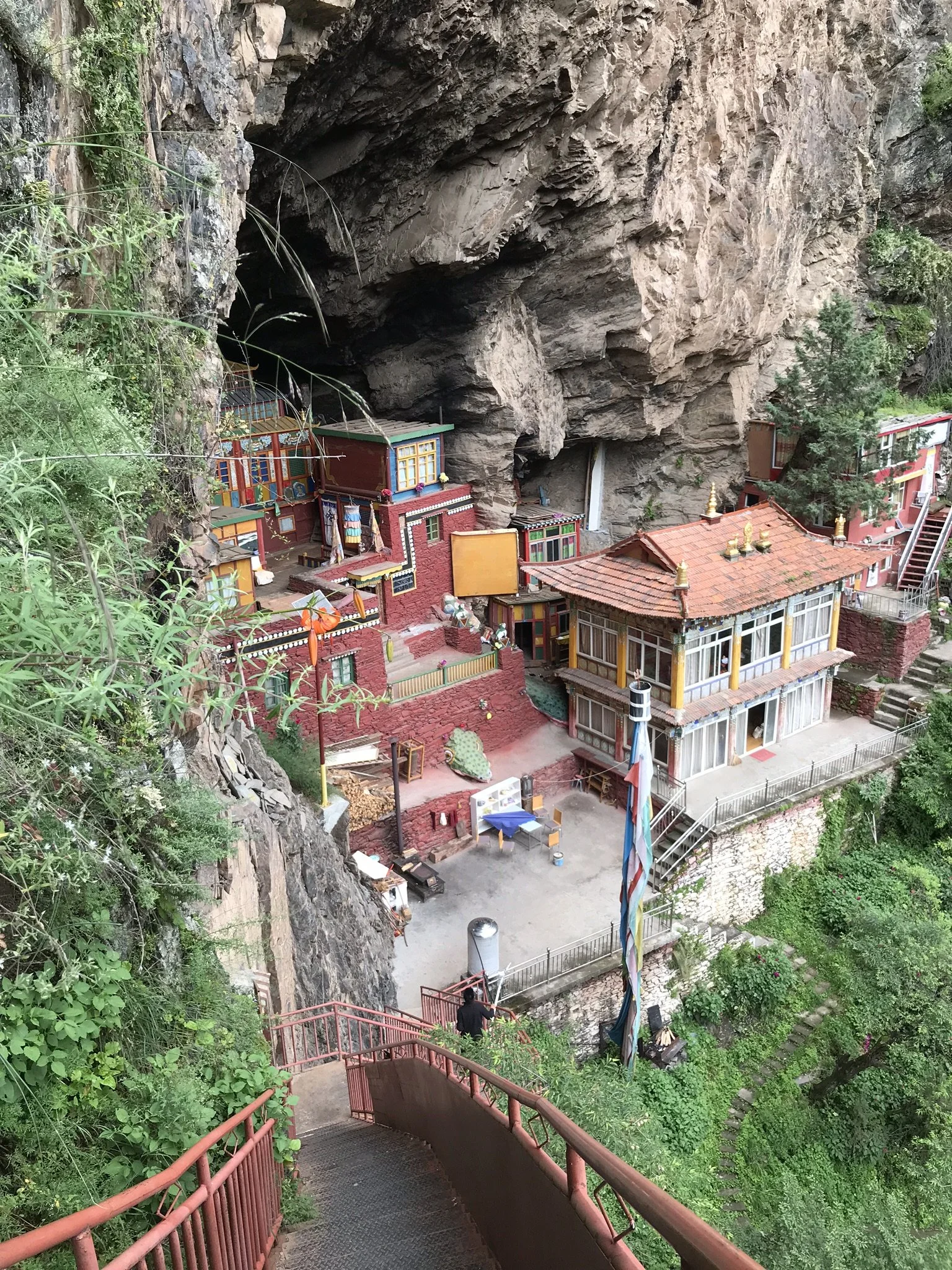
Vairocana Cave, Kham
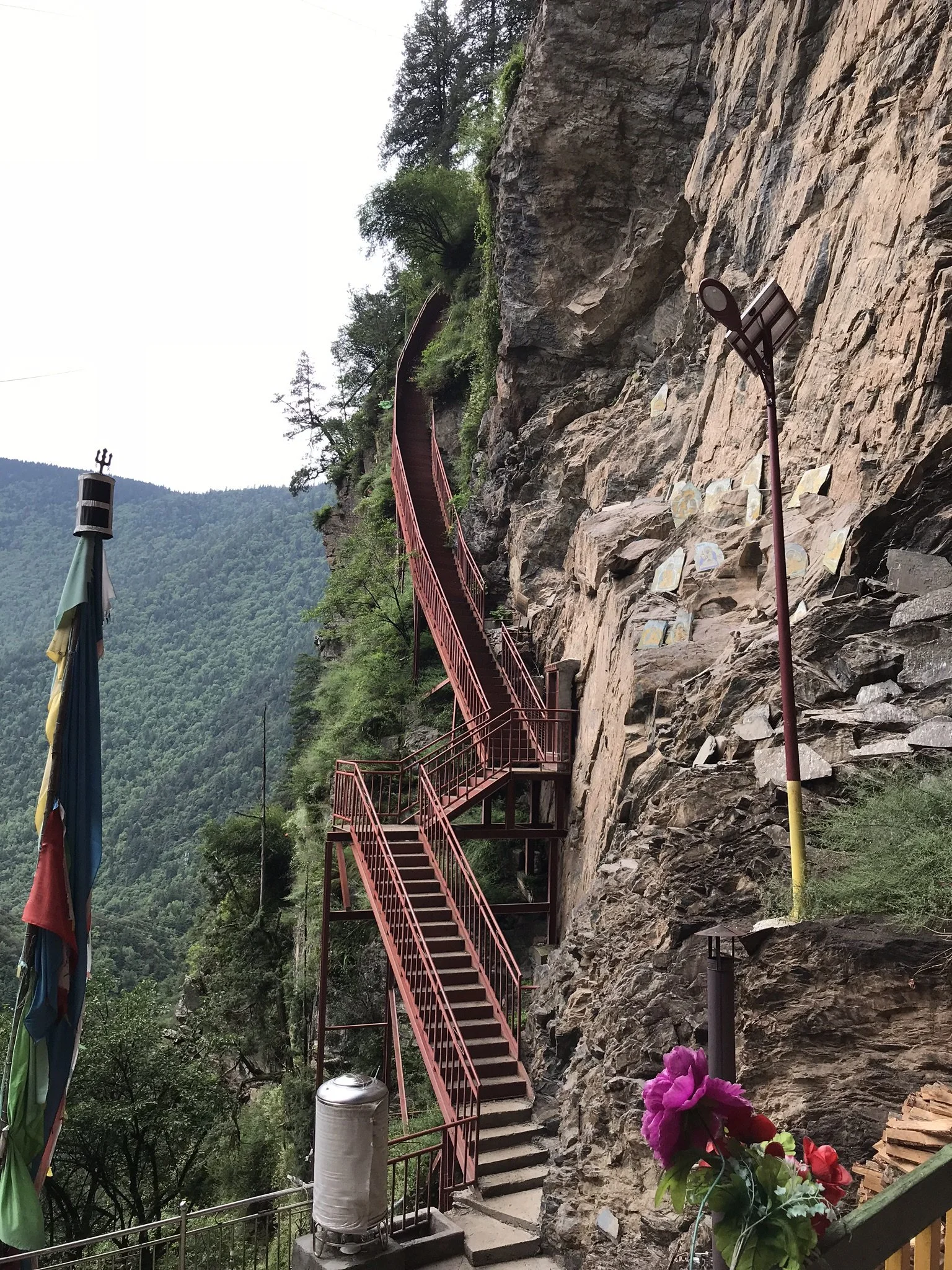
Vairocana Hermitage
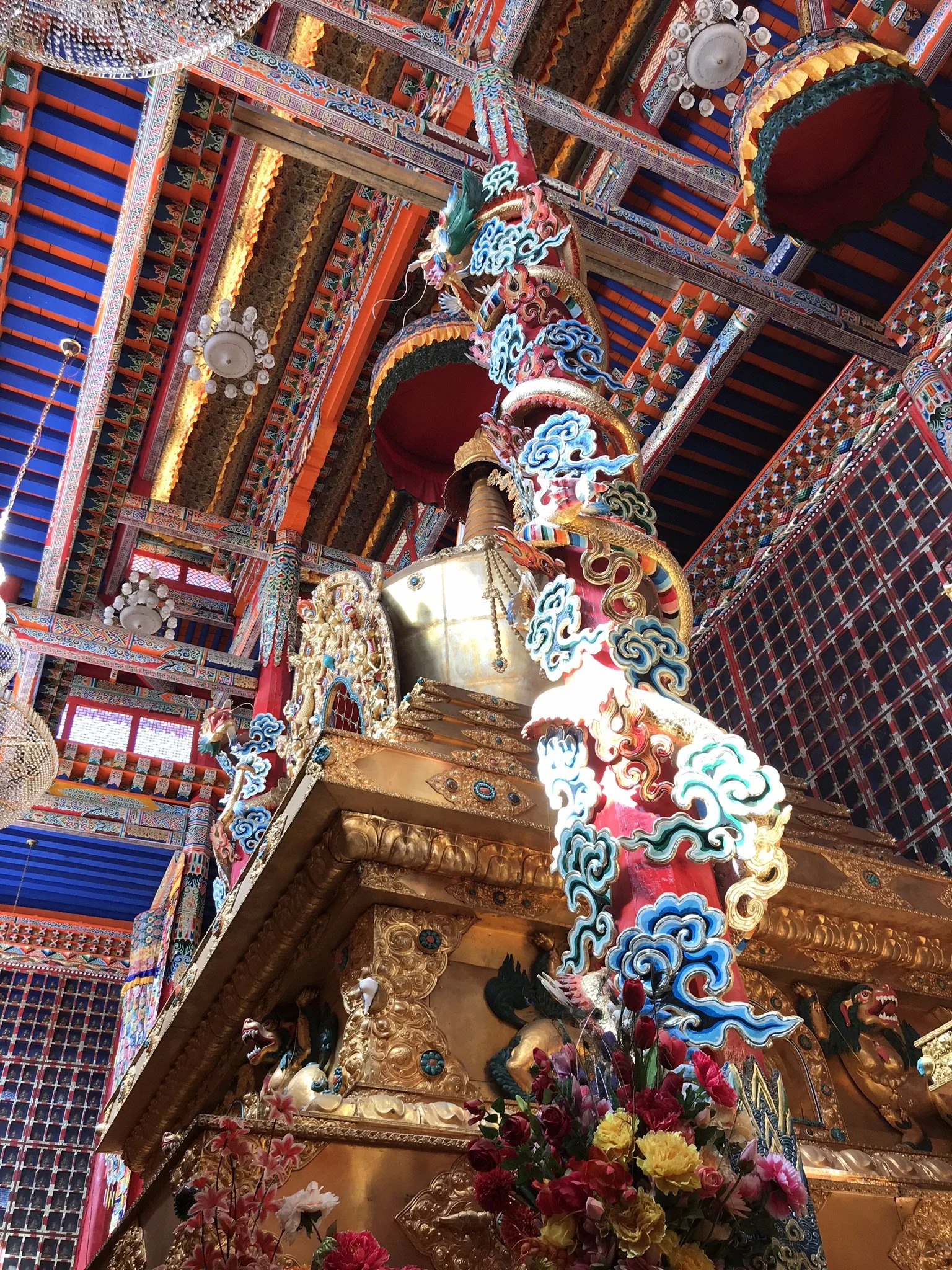
Darthang, Amdo
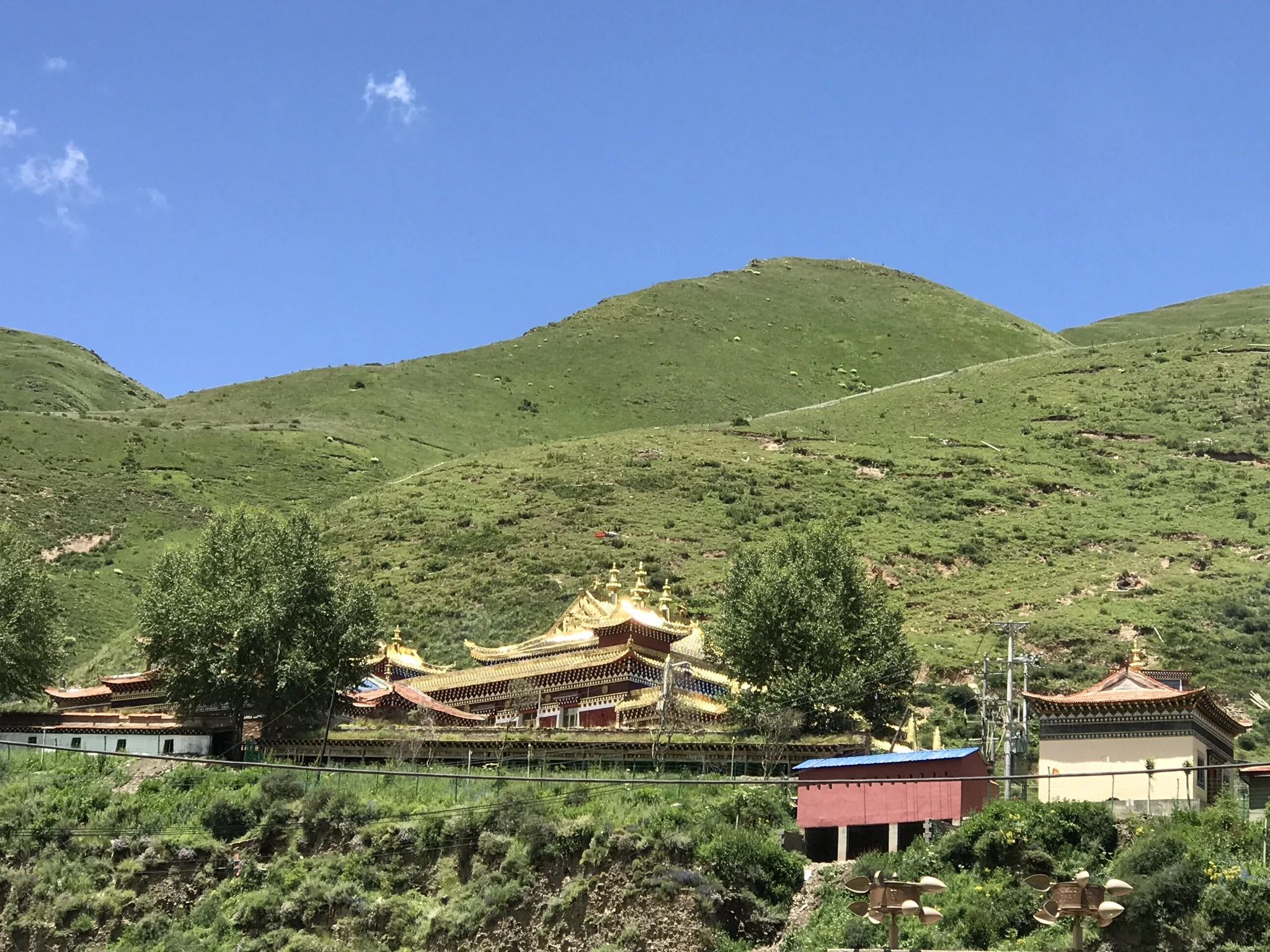
Mardo Tashi Choling, Amdo
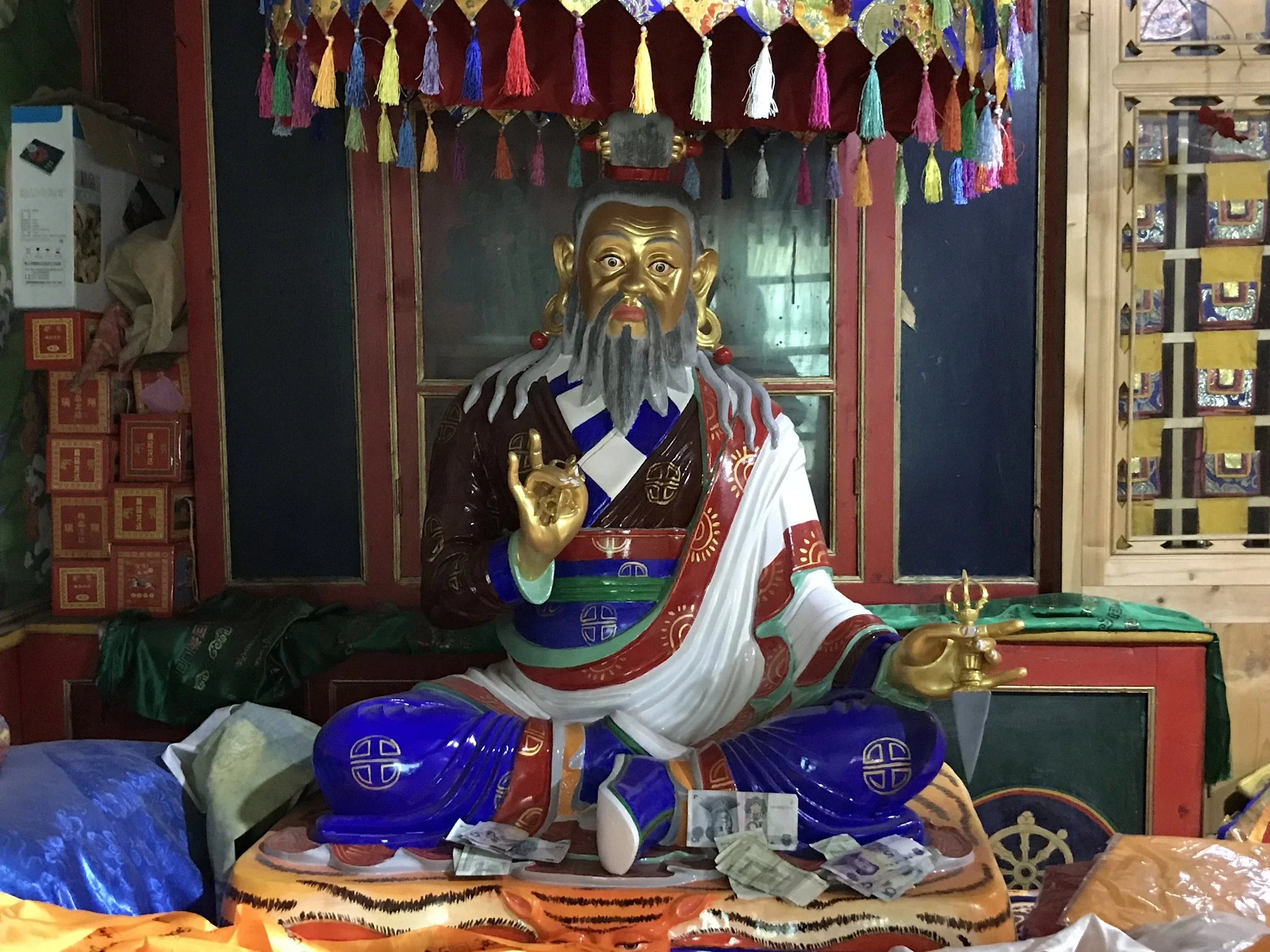
Dudjom Lingpa's Residence, Mardo Tashi Choling
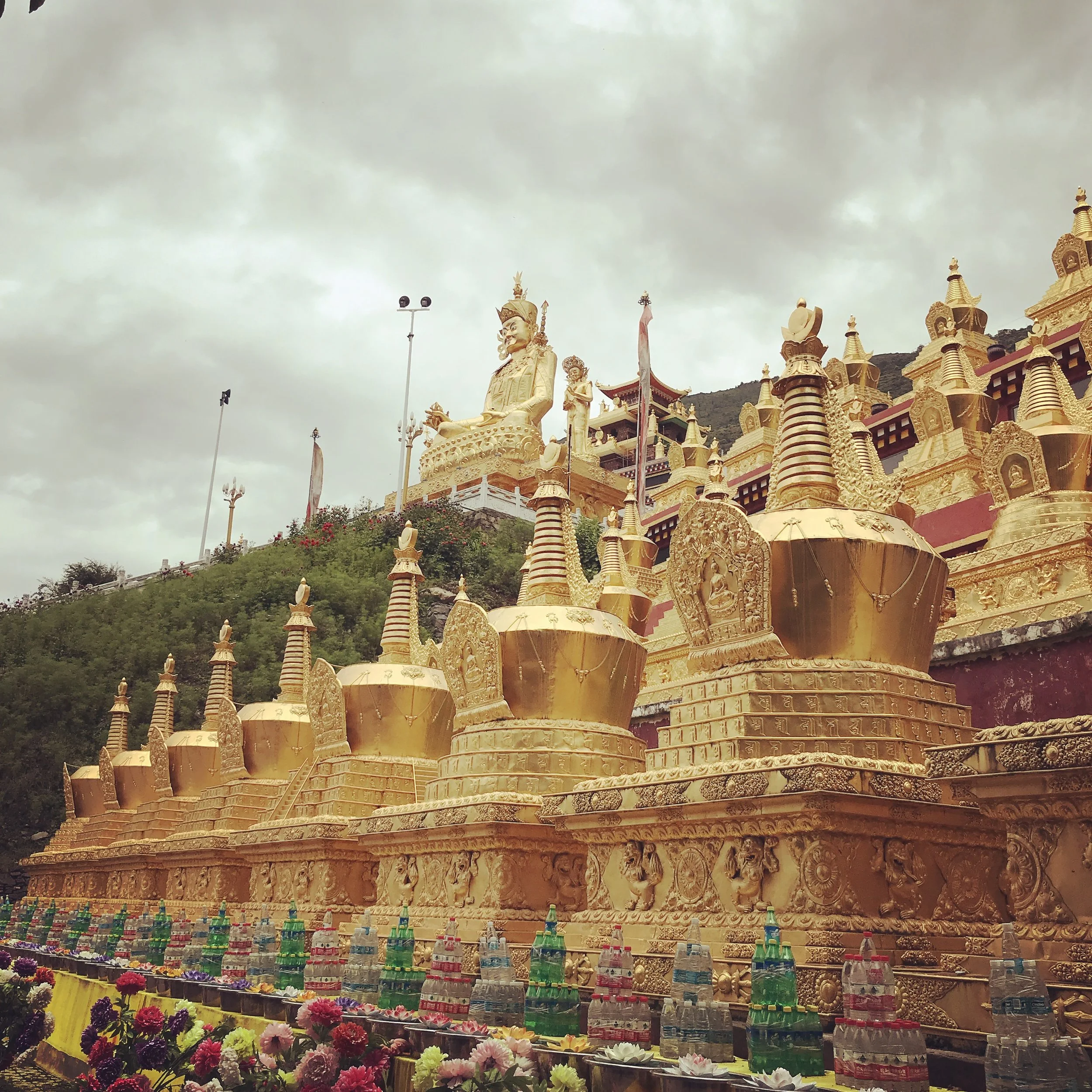
Barkham, Kham
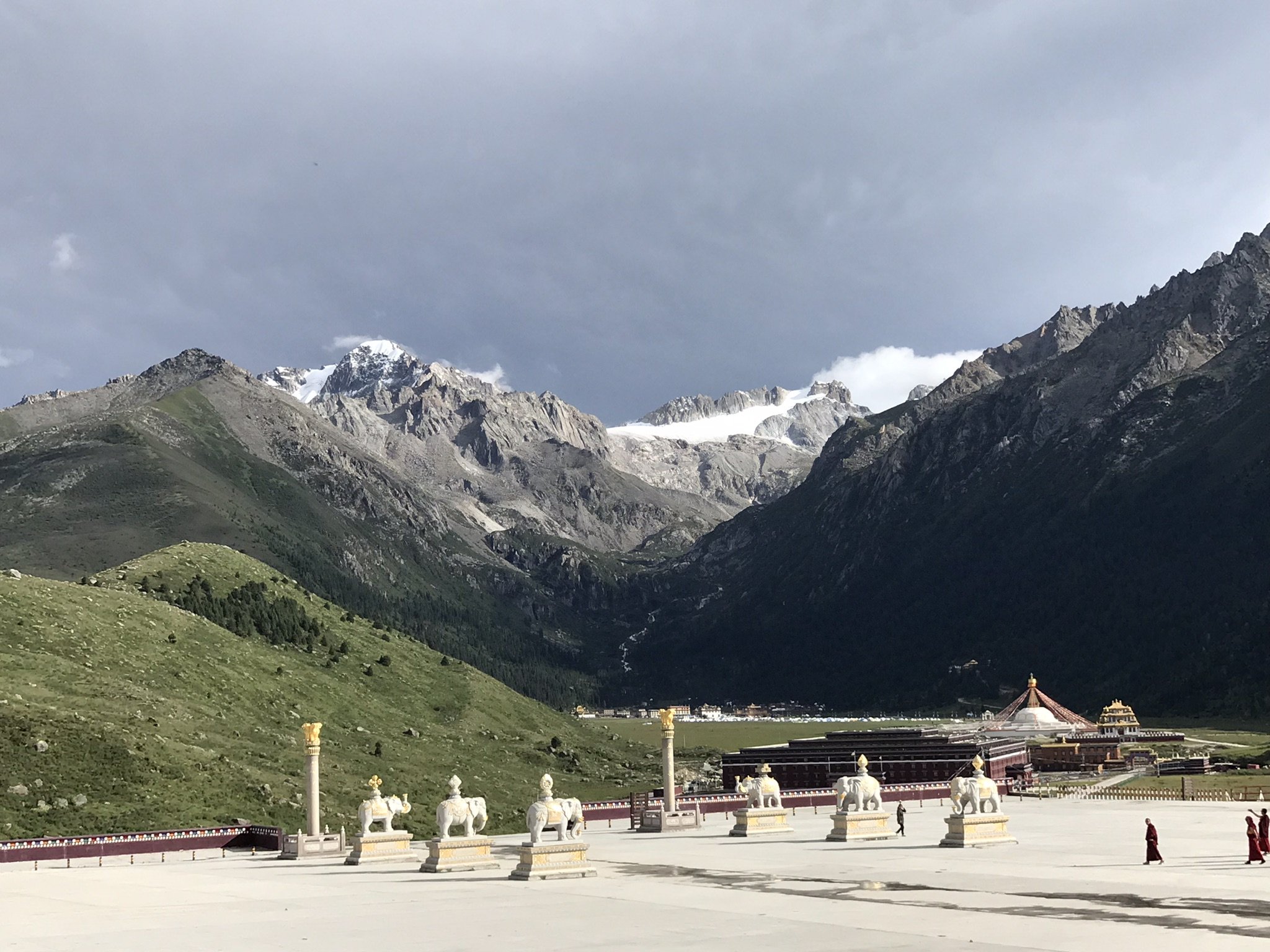
Dzogchen, Kham
The Nyingma tradition has a long and rich history in Eastern Tibet, which is home to several of the Six Mother Monasteries. Four major rivers and six mountain ranges make Kham a breathtaking nature experience, while Amdo is blessed with alpine grasslands and the fascinating nomadic culture. Lastly, Golok overlaps Kham and Amdo. It is the highest region in Tibet and very important to the Great Perfection Dzogchen tradition.
Eastern Tibet lodgings offers hotels, guesthouses, homestays, and new SUVs.
For reasons of economy, we can facilitate the creation of groups of 2 - 7. Let us know if you’re interested.
Speaking of finanaces, ask us about fundraising for your pilgrimage.
The Classic Kham Pilgrimage
Chengdu, the capital of Sichuan, is a large metropolis known for its laidback culture, teahouses, and cuisine, including zen vegetarian. You may choose to stay at the tranquil Buddha Zen Hotel for a few days to recover from international jet lag and get a taste of modern Chinese Buddhism at the nearby Wenshu Monastery with its enjoyable gardens. There’s also a nunnery nearby where you can lunch with the nuns and listen to their recitations.
Day 1 will bring you into Kham in the comfort of an SUV with your driver and guide. Your destination is about 5 hours away—Tagong, aka Lhagang, in southern Kham. The drive will offer landscapes of varying terrains and natural beauty. When you reach Tagong, you will see the iconic and eternally snow-capped Mount Yala (5,820 m). Tagong is easily walkable and offers Tibetan stone houses, a central square, and relaxing restaurants serving fresh dri yogurt and Tibetan butter tea! You’ll stay overnight in a simple hotel.
On the morning of Day 2, you will visit Tagong Monastery, built during the Qing Dynasty (1644 to 1911), to honor the journey of Princess Wencheng on her way to Lhasa for her wedding to the Tibetan King Songtsen Gampo. The temple houses the replica of the sacred statue of Jowo Sakyamuni Buddha at the Jokhang in Lhasa. Then, driving northward through vast grasslands, you will arrive at the mountainous region of Garze in a few hours. The town of Garze (aka Ganze and Kangze) radiates a strong sense of Tibetan tradition and culture and has recently become a tourist attraction. If time allows, you can explore the markets and shops. You will be accommodated at an excellent hotel.
Now, on Day 3, in less than five hours, you will reach Palyul Monastery (3,261 m), reconstructed beginning in 1981. It is one of the Six Mother Monasteries founded in 1665. With associations with Garab Dorje and Padmasambhava, it is an important treasure site, beginning with Ratna Lingpa (1403-1471). The main practice is the Nam Cho/Sky Dharma, a revealed treasure of Mingyur Dorje (1645-1667). Drupwang Pema Norbu Rinpoche (1932-2009), a Dzogchen master, was the 11th throne holder. The temples are constructed on the mountain slopes, and there is also a retreat center. Your lodgings will be in the comfortable Palyul Monastery Hotel.
Already it’s Day 4, and you will have a short drive to Katok Dorjeden Monastery and then continue to the town of Dzongsar (3,690 ft). Katok Monastery, On Top of Ka (a hilltop resembling the Tibetan letter Ka), was prophesized by Guru Rinpoche and established in the 12th century. It is the oldest Nyingma monastery in Tibet, excluding Samye. and represents Enlightenment’s Activity. In the 16th century, it was associated with Rikzin Duddul Dorje, whose Vajrakilaya figures prominently in Dudjom Lingpa’s Vajrakilaya cycle. It is famed for its preseravation of the Canon (kama) and monastic discipline.
Today's final leg of the drive follows a narrow flowing river along winding roads until the turn-off to the small town of Dzongsar. This town is home to Dzongsar Monastery, a Sakya institution where the non-sectarian master, Jamyang Khyentse Wangpo, constructed a small temple. It was also the residence of Khyenste Chokyi Lodro. Dzongsar became one of the most vital colleges in Tibet during the 19th and 20th centuries. Today, it is the Tibet seat of the Bhutanese-born Dzongsar Khyentse Rinpoche, grandson of Dudjom Rinpoche, whom we all know. Dzongsar Monastery, majestically overlooking the valley, is not large. A short distance away by road, there is a huge new assembly hall for hundreds of resident lay practitioners. Your guesthouse in Dzongsar is in the log cabin style of Kham, well-appointed, and within walking distance to shops and restaurants.
On Day 5, you will be guided along a gentle mountain path above Dzongsar Monastery for about two hours until reaching Pema Shelpuk Cave (Lotus Crystal). It is one of the twenty-five important sacred sites of Eastern Tibet and represents Enlightenment’s Qualities. It was blessed by Garab Dorje, Sri Singha, Guru Rinpoche, and Vairotsana. There is an accessible Yeshe Tsogyal cave. It is the treasure site of Chogyur Dechen Lingpa’s Three Classes of Great Perfection. Jamyang Khyentse Wangmo and Jamyang Kyentse Chokyi Lodro spent time there. There are many self-arising imprints and markings in the rock that are prophesized as future treasure portals.
Orgyen Tobgyal Rinpoche wrote: “Surrounded by white mountain cliffs, the valley of Meshö is like an open lotus flower and the foothills covered with meadows and forests. Flowers grow abundantly in summertime, and water flows here and there. In the middle, the heart of the lotus is a huge white rock with a cave in the center called Pema Shelpuk, Lotus Crystal Cave. The rock, cave, and surrounding area are all white in color. The cave contains many naturally appearing images and letters. Yeshe Tsogyal practiced in a small cave to the left, with windows that also appeared naturally, though they look man-made. The practice caves of Vairotsana and Shri Singha with their naturally-appeared thrones are at the top of the rock.”
This morning, on Day 6, you will take a short drive to the remote Rongmo Karmo Taktsang (Tiger Lair). There are thirteen Tiger Lairs in Tibet—places where Guru Rinpoche appeared as Dorje Drollo. This is one of the two that are in Tibet. This power place served as a residence for Jamgon Kongtrul Lodro Taye, Chogyur Dechen Lingpa, and Mipham Rinpoche. Tonight will be your last night at the charming Dzongsar Guesthouse.
Today, Day 7, you will behold the magnificent Dzogchen Monastery Complex. But first, you will visit the Dege Publishing House. The Dege area was consecrated by Tangtong Gyalpo, a renowned master, enginee, and artist of the 15th century. Established in 1729, until the 10th century, Dege Parkhang was the largest center publsihing house for the Kangyur, Tengyur, and texts on medicine, astrology, logic, and art. If time allows, you will visit Gonchen Monastery, rebuilt in 1987. It houses the relics of the previous Dzongsar Khyentse Rinpoche.
Dzogchen Monastery, founded in the 7th Century, and another of the Six Mother Monasteries, is the largest Nyingma monastery in Kham. Located in the valley of Rudam Kyitram with the jagged snow peaks of Mount Dorje Ziltrom, the third highest peak in Kham, in the background, and built on the side of a glacial moraine, Dzogchen represents Enlightenment’s Qualities. Legend has it that hundreds of years before it was founded, Guru Rinpoche miraculously traveled there. You will have a room in a simple hotel in nearby Dzogchen town.
Days 8 and 9 will be spent entirely at Dzogchen, a thriving complex of magnificent temples, the Shri Singha institute, a larger-than-life standing Guru Rinpoche statue, a Dharma store managed by Chinese nuns, and hillside trails leading to hermitages, such as those of Paltrul Rinpoche, Mipham Rinpoche, and others. Did I mention lots and lots of open space and free time?
Day 10 offers a relaxing and scenic daylong drive to Yushu City, also known as Jyekundo, the center of a devastating earthquake in 2010. Everything is now rebuilt, and on the outskirts, there is a Tibetan area with temples, Mani rock walls, and Dharma teachings broadcasted on public loudspeakers. You will be accommodated at the Western Airport Aviation Hotel.
Now it’s Day 11, and you will take an afternoon direct flight to Chengdu. You may stay overnight at an airport hotel for your international flight the next day or extend your visit in China.
Classic Kham, Amdo & Golok Pilgrimage
Add-on 3 Days
On Day 10 of the above Kham pilgrimage, instead of going to Yushu, you will drive to Yilung Latso (4,110 m). This lifeforce lake is one of the most beautiful in Tibet. Surrounded by pristine wilderness, its shores are blessed with large mani-carved stones, picnic areas, and gentle trails. The mountains here are revered as forms of Chakrasambhava. Some hold that it is a hidden land of Guru Rinpoche. The lake is a treasure site of Chogyur Lingpa. The area is also the home country of the great Shangpa Kagyu master, Kalu Rinpoche. In the evening, you will arrive at Darthang, in Golok. Simple hotel.
In the morning, we will visit the large complex of Darthang and surely marvel at its exquisite sacred art and statues. In the afternoon, you will drive beyond Darthang to a scenic lookout with a full view of the vast Nyenpo Yutse Mountain, the ancestral mountain range of the Golok people. It features 3,600 mountains and 360 lakes and has fourteen peaks over 5,000 m. Khandro Tare Lhamo and Namtrul Jigme Phuntsok Rinpoche revealed treasures at Nyenpo Yutse. Here, you will be able to meditate before this spectacle. There is a 21-day trek around Nyenpo Yutse. Recently, access to Ngotsho, the treasure lake, was closed to preserve the environment. When everyone is ready, you will head to Padma Town for a homestay. Another night in Golok!
This morning, on Day 12, we are headed to a hermitage of Dudjom Lingpa connected to Mardo Tashi Choling Monastery. This was built more than two hundred years ago. During the unrest in Tibet, the entire monastery was destroyed. Today it is restored and expanded. It was the home of the rebirths of Dampa Deshek and the great Dudjom Lingpa, who lived there for a long time under the patronage of the Gili family, and so became known as the Gili Tertön. At 56, the Dakini Yeshe Wangdenma told him to return to Mardo Tashi Choling. We will visit Dudjom Lingpa’s living quarters, where he revealed his famous Throma Dakini cycle.
Namda is the hometown of Woeser Phel, the owner of Road To Tibet. He will arrange a homestay for us where we can get a taste of daily life and enjoy Tibetan hospitality.
On Day 13, you will start returning to Chengdu via Barkham City (lower elevation of 2,670 m). Once considered a hidden land, this charming area has a distinctive culture and language called Gyalrong. Embedded in a long and narrow valley that stretches for 200 km, Barkhamboasts over fifty monasteries. You will visit the step hillside hermitage of the great Vairocana, who meditated here and transmitted Great Perfection here during his exile from Central Tibet in the 8th century. Excellent East Zang Rongba Hotel.
Day 14 concludes with a scenic 4-hour drive to lower elevation and your hotel in Chengdu!